Ocean Stories for Ocean Governance – Engaging the Wisdom of Storytelling and Traditional Knowledge in Decision-Making
Engaging the wisdom of storytelling and traditional knowledge in decision-making.
News about Ocean Equity Research

Engaging the wisdom of storytelling and traditional knowledge in decision-making.

Effective ocean governance is crucial for ensuring the sustainable development of ocean resources and ecosystems while balancing the needs of various stakeholders, including governments, industries, coastal communities, and environmental groups. It often involves international cooperation and coordination due to the transboundary nature of the oceans and the interconnectedness of marine ecosystems. Randa’s PHD research advocates for the integration of diverse narratives spanning timelines, cultures and countries with a goal of creating a dynamic, interactive story map.

This blog explains the interconnections between climate, ocean and biodiversity and highlights the importance of linking these topics in governance. It introduces the new legally-binding agreement for the conservation and sustainable use of marine biodiversity of areas beyond national jurisdiction (BBNJ) and how it relates to the existing climate and biodiversity COPs and why it is important to link climate, ocean and biodiversity politics.

The members of the Indian Ocean Tuna Commission (IOTC) met from the 13th to the 17th of May 2024 in Bangkok, Thailand, for the 28th Session of the Commission. Bianca Haas, Constance Rambourg and Ina Tessnow-von Wysocki reflect on what their time at the meeting, and what happened there.

Coastal states have compared themselves to owners of orchards from which DWFNs have been allowed to pick the apples. This argument implies that at no point does the party coming to pick the apple own the land, the trees and the apples (or the ecosystem, the fishery and the fish stock). Until the apple is picked (or the fish is caught), the holder of the access right only owns the opportunity to pick the apple (extract the fish), and even then only on a temporary and time-limited basis…

Bianca Haas, Kamal Azmi, Hussain Sinan, and Quentin Hanich have developed an innovative approach that would support members of tuna regional fisheries management organisations (tRMFOs) to reduce placing a disproportionate burden on developing state members.

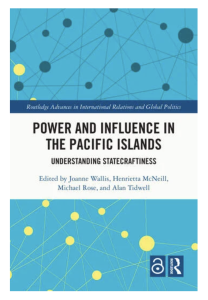
– Quentin Hanich recently collaborated with Prof. Joanne Wallis and Michael Rose to study Australian defence diplomacy in the Pacific. They found that Australia should continue to emphasise partnership and mutual benefit and use its defence diplomacy to emphasise multilateral security efforts that bolster regional institutions and meet Pacific priorities.

Leading Pacific tuna industry expert, Dr Transform Aqorau, has drawn from the region’s experiences with its massive tuna fisheries industry to sound caution in the development of the “next frontier” of deep seabed mining.

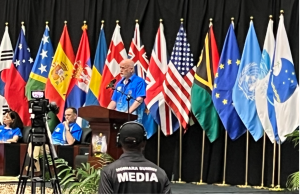
From the 4th to the 8th of December 2023, 26 Member States, Participating Territories, and Cooperating Non-Member states met in Rarotonga, Cook Islands, to discuss

Professor Transform Aqorau is the Vice-Chancellor of the Solomon Islands National University and widely respected for his thoughtful and visionary leadership. Ocean Equity Research is delighted to re-post his occasional blogs on Pacific development. These blogs provide important insights into the Pacific development context and look beyond global geo-political narratives.